April 23, 2026 • BY CASA ANNIE
The Art of the Offcut: Why Upcycling is the Future of Bali Fashion
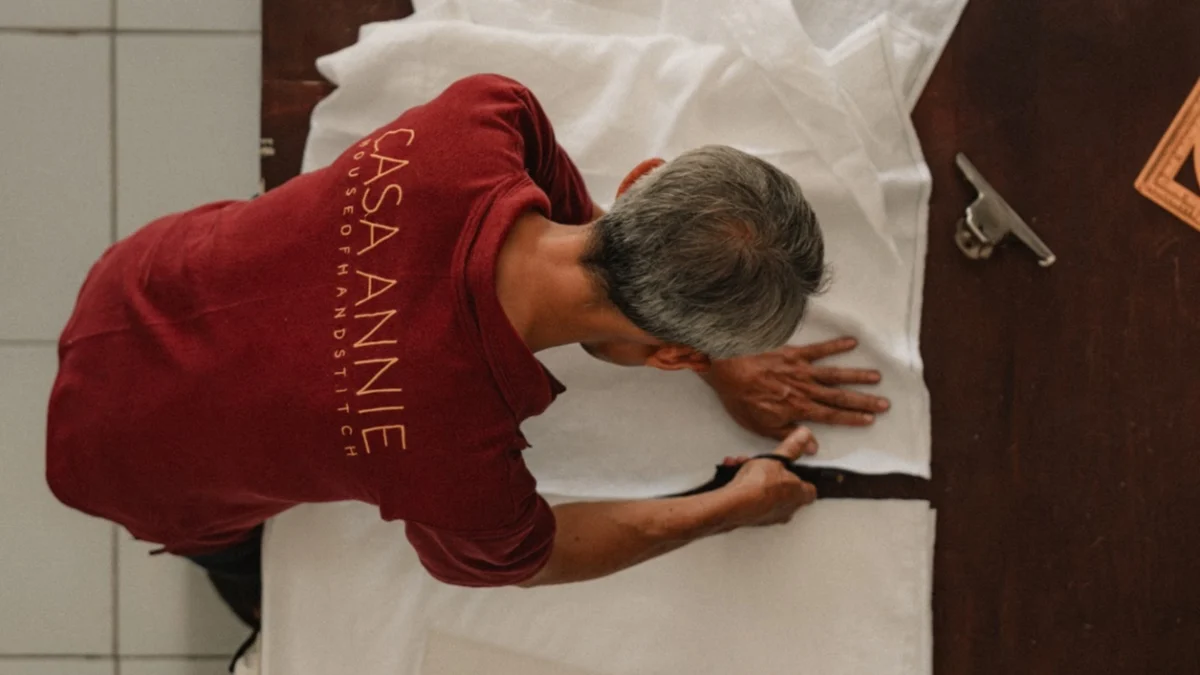
How creativity, craftsmanship, and conscious design are transforming textile waste into a new form of luxury.
In the world of fashion, beauty is often associated with perfection — flawless fabrics, pristine finishes, and new materials arriving season after season. But behind the glamour of the global fashion industry lies another reality: excess.
Every year, millions of fabric offcuts, unused textiles, and production remnants are discarded, contributing to one of the largest waste problems in the world. Yet in Bali, a growing movement of artisans and conscious fashion makers is proving that waste can become something extraordinary.
At Casa Annie, sustainability is not simply a trend. It is a philosophy rooted in craftsmanship, creativity, and respect for materials. Through the art of upcycling, forgotten fabrics and leftover embellishments are given a second life — transformed by hand into pieces that are both meaningful and beautiful.
What Is an Offcut?
In garment production, an offcut refers to the leftover fabric remaining after patterns are cut. These fragments are often considered unusable by large-scale manufacturers due to their irregular shapes or limited quantity.
Most of the time, they end up discarded.
But for artisans, designers, and handcraft specialists, offcuts represent possibility.
- A texture.
- A color story.
- A detail waiting to become something new.
At Casa Annie, these leftover materials are carefully collected and reimagined through hand embroidery, beading, patchwork techniques, and artisanal finishing. What was once waste becomes part of a new creative narrative.
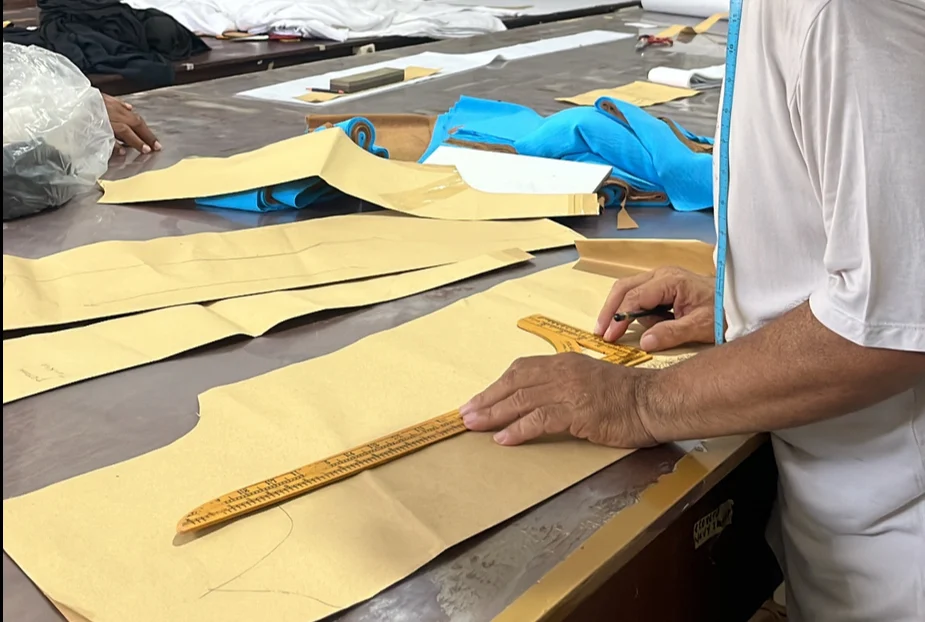
Why Upcycling Matters in Fashion Today
The fashion industry is changing. Consumers are becoming more conscious of where their clothing comes from, how it is made, and the impact it leaves behind. Fast fashion is increasingly being questioned for its environmental cost, overproduction, and disposable culture.
In response, a new movement is emerging:
- slow fashion.
Unlike recycling, which often breaks materials down into lower-quality fibers, upcycling preserves and elevates existing textiles into something of greater value. It reduces waste while encouraging creativity and craftsmanship. For independent ateliers and artisan workshops, this approach also creates opportunities for more meaningful production — one focused on quality rather than quantity.
At Casa Annie, this philosophy inspires a more intentional way of creating:
- fewer pieces, more artistry, and deeper attention to detail.
The Human Side of Sustainable Fashion
Sustainability is not only about materials. It is also about people. Behind every upcycled creation at Casa Annie is a team of artisans whose skills bring new life to forgotten textiles. Their craftsmanship preserves techniques that cannot be replicated by machines — delicate hand stitching, intricate beadwork, and traditional embroidery methods passed through generations.
By valuing handmade production, Casa Annie supports local artisans while promoting a slower, more responsible fashion ecosystem.
In a world driven by speed and mass consumption, this human connection becomes increasingly important.
Because true sustainability is not only about reducing waste. It is about creating with intention.
Work with Casa Annie
Turn thoughtful ideas into finished garments
Explore our clothing production services in Bali or send your project brief to the Casa Annie team.